Rainbow Knitted Jesus Faith Christmas
A Designer’s First Look: Warm, Whimsical, and Worn-With-Love
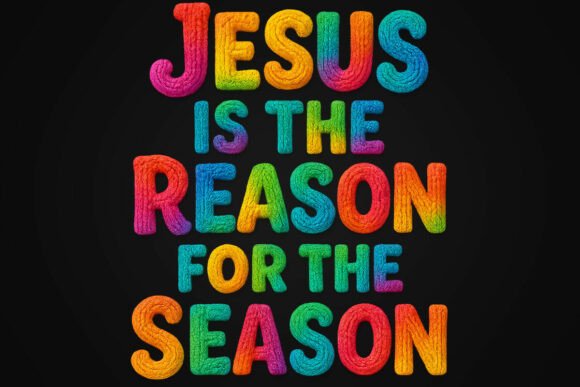
When I opened Rainbow Knitted Jesus Faith Christmas for the first time, my instinct wasn’t to check stitch count or file format—it was to imagine it stitched onto a soft, oatmeal-colored organic cotton tote bag for a local church bazaar. That’s the design’s immediate pull: it feels handmade before it’s even stitched. The knitted texture implied in the outlines, the gentle curve of the rainbow arching over a simple, serene Jesus figure, and the quiet “Faith” and “Christmas” lettering—none of it shouts. It whispers invitation. It’s not flashy gospel; it’s felt gospel. That matters deeply when you’re building trust with customers who value sincerity over spectacle.
Where This Design Truly Lives—and Thrives
Rainbow Knitted Jesus Faith Christmas isn’t built for high-contrast streetwear or bold logo placements. It finds its strongest voice on pieces where softness, intention, and quiet reverence align: baby onesies (especially in pastel fleece), linen aprons for faith-based bakeries, pillow covers for nursery decor, and unbleached cotton tea towels sold at holiday craft fairs. As a T-Shirt Designs asset, it works best on relaxed-fit crewnecks or oversized sweatshirts—not performance fabric or tight-knit jersey. I tested it as a custom apparel piece on a medium-weight French terry hoodie, and the knitted illusion held up beautifully in satin stitch along the rainbow arcs, while the central figure stayed legible without oversaturation.
For Etsy sellers and small shop products, this is a standout personalized gift option—especially when paired with a handwritten note about hope or grace. It reads as thoughtful, not transactional. I’ve seen similar designs fall flat on busy backgrounds or stiff fabrics, but Rainbow Knitted Jesus Faith Christmas carries enough visual breathing room to stay grounded. Its layout avoids tight corners and overlapping elements, making it forgiving for embroidery project beginners and reliable for repeat production runs.
Real Embroidery Reality Checks
That said—let’s talk texture. On highly textured fabrics like bouclé knit or thick terry cloth, the delicate knit lines can blur. I recommend using a lightweight cutaway stabilizer and reducing stitch density slightly in the rainbow bands if your machine allows. On stretchy fabric, especially ribbed cuffs or curved cap fronts, test the design on scrap first: the gentle curves hold well on flat surfaces, but compression on a curved surface like caps may soften the top arc unless hooped precisely.
It’s not ideal for tiny lettering applications—“Faith” and “Christmas” are legible at 3.5" wide but start to lose definition below 2.75". So skip it for pocket-sized patches or infant hat brims. Likewise, avoid dense layering: don’t stack it over heavy quilting or thick appliqué. Let it breathe. On dark fabric, use bright white or ecru thread—not off-white—to preserve the rainbow’s warmth. And yes, always run a black and white mockup: the contrast between the soft Jesus silhouette and the vibrant arcs must remain clear, not muddy.
What Customers Actually Notice (and Why It Matters)
- Visual appeal: It reads as cozy, not clinical—ideal for handmade presentation and boutique branding.
- Stitching clarity: No micro-details to snag or distort; clean satin-stitched rainbows and smooth fill-stitched figures mean fewer re-hoops.
- Product value: Feels elevated—not generic clip art—so buyers accept higher price points for embroidered totes or baby blankets.
- Customer trust: The tone avoids cliché; it signals care in curation, which builds credibility for your craft business.
- Giftability: Instantly readable as meaningful, not ironic—perfect for baptisms, Christmas Eve services, or hospice care packages.
Practical Notes Every Embroidery Designer Should Run Through
Before cutting fabric or loading your hoop:
- Test on scrap—especially with your go-to stabilizer combo and thread brand. Satin stitch behavior varies wildly across machines.
- Check thread color contrast on both light and dark fabric swatches. Rainbow hues need saturation to read, not just hue.
- Review stitch density. If the fill areas feel heavy for your fabric weight, adjust under your machine’s settings—not in the file itself.
- Confirm hoop size. This design fits comfortably in a 4x4 hoop, but pushing it to 5x7 gives breathing room for better tension control.
- Inspect small details manually—even if your software says it’s clean. Look for stray running stitches near the figure’s hands or rainbow endpoints.
- Use proper stabilizer: Medium-weight cutaway for knits, tear-away for stable wovens, and fusible + cutaway for baby items that’ll be washed often.
- Verify licensing before selling finished items or bundling as design assets. If it’s labeled for personal use only, don’t list it as a ready-to-embroider digital embroidery file on Etsy.
Final Thought: Not Just a Design—A Quiet Anchor
Rainbow Knitted Jesus Faith Christmas won’t dominate a tradeshow booth or trend on TikTok—but that’s not its purpose. It’s the kind of machine embroidery design that earns repeat orders from churches, keeps grandparents coming back for baby embroidery, and makes a customer pause mid-scroll because it feels *true*. It works because it respects the hand behind the machine and the heart behind the purchase. Use it where warmth matters more than wow—and where every stitch quietly says, “You belong here.”