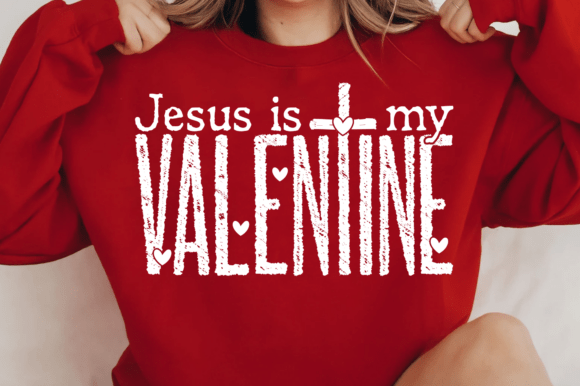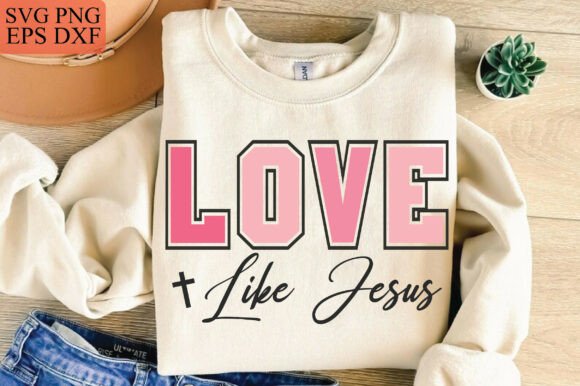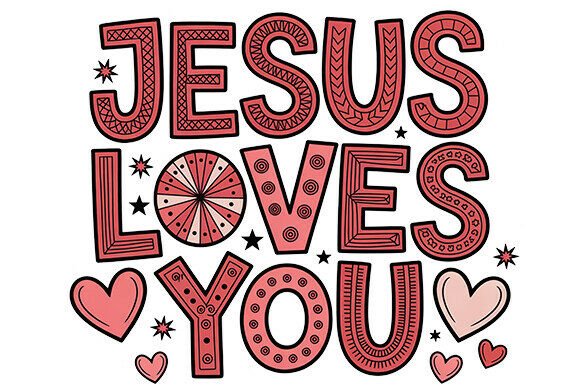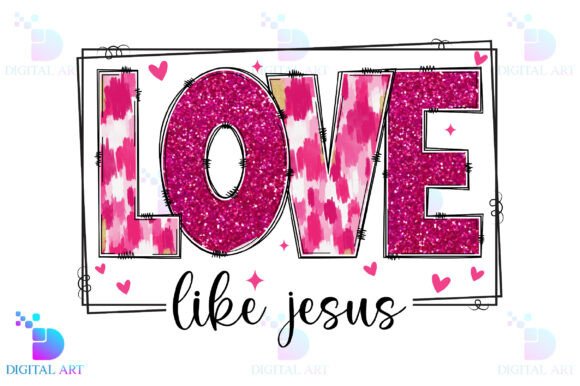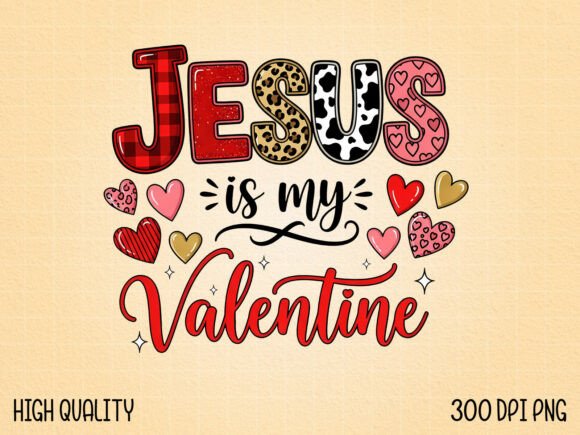
Christian Valentine Jesus Sublimation
A Designer’s First Glance: Warm, Reverent, and Quietly Confident
When Christian Valentine Jesus Sublimation landed in my inbox, I paused—not because it shouted for attention, but because it invited quiet reflection. It’s not flashy or trend-chasing. Instead, it carries a gentle balance of sacred symbolism and seasonal warmth: soft heart motifs cradling a subtle cross or dove, delicate script reading “Jesus Loves You” or “His Love Never Fails,” and clean negative space that breathes. As a designer who’s stitched hundreds of faith-based pieces for boutique clients and Etsy sellers, I immediately sensed its intention—it’s made for sincerity, not spectacle.
Where This Design Finds Its Truest Home
I recently used Christian Valentine Jesus Sublimation on a natural linen tote bag for a local church gift shop—hand-stitched with matte cotton thread, backed with tear-away stabilizer, and finished with a small leather tag. The result? Calm, cohesive, and unmistakably handmade. That’s where this design shines: on pieces meant to be held, gifted, and kept. Think baby onesies with tiny embroidered hearts beside a cross; aprons for Christian bakeries; pillow covers for nursery decor; tea towels for faith-centered kitchens; or even minimalist patches sewn onto denim jackets for youth group volunteers.
It works especially well for custom apparel where emotional resonance matters more than visual volume—sweatshirts for Valentine’s Day Bible studies, lightweight tees for women’s ministry retreats, or unisex caps with understated front embroidery. Because the layout avoids tight clusters and excessive detail, it scales gracefully from 3.5" to 5" without losing legibility or charm.
Real Embroidery Behavior: What Happens Under the Needle
In practice, Christian Valentine Jesus Sublimation behaves like a seasoned collaborator—not demanding, but responsive. The stitch density feels intentional: enough fill stitch to ground the shapes, balanced with open satin stitch borders and light running stitch accents. No over-stuffing. No jagged edges. On medium-weight cotton twill (like a standard tote), it stitched cleanly in one pass with mid-weight cutaway stabilizer. On a stretchy cotton-blend baby bodysuit? I added a layer of lightweight fusible + tear-away—and still got crisp definition in the heart outlines and letterforms.
That said, it’s not universally forgiving. On dark fabric, the subtlety becomes a liability unless you choose high-contrast thread—navy with bright white, charcoal with ecru, black with pale rose. And on textured fabrics like terry cloth or bouclé, fine script elements risk blurring. I’d avoid placing it on curved surfaces like baseball caps unless scaled down to 2.75" and re-digitized for cap hoops—those tiny curves demand tighter pull compensation than most stock files offer.
Design Notes Every Embroiderer Should Check Before Stitching
- Test on scrap first—especially if using it on knit fabric or lightweight rayon blends common in modern sweatshirts.
- Review thread color contrast carefully. Soft pinks and creams look tender on ivory linen—but vanish on oatmeal fleece. Try black thread on cream fabric for timeless clarity.
- Confirm hoop size compatibility. While it fits standard 4x4 hoops comfortably, check whether corners extend near the edge—some versions include subtle vine flourishes that may clip if hooped too tightly.
- Inspect small details: the dot above an “i”, the curve of a heart tip, the spacing between “Valentine” and “Jesus”. These define professionalism—and they’re often the first things customers notice in photos.
- Test in black-and-white mockups. Does the composition hold weight without color? If it fades visually in grayscale, it’ll struggle on low-resolution Etsy thumbnails or printed product tags.
- Compare light vs. dark backgrounds in your digital preview software. Some sublimation-inspired designs rely on halftone shading that doesn’t translate to stitch—verify all elements are fully digitized, not just graphic overlays.
- Use proper stabilizer—cutaway for knits, tear-away for stable wovens, and always test wash one sample before fulfilling orders. Faith-based gifts are often heirlooms; durability is part of the message.
How It Shapes Perception—And Why That Matters
As a craft business owner knows, every stitch communicates values. Christian Valentine Jesus Sublimation signals reverence without rigidity, love without cliché. When stitched cleanly on a kitchen towel gifted at a baby shower, it says, “I prayed over this.” On a custom embroidered patch for a teen’s backpack, it says, “My faith is part of who I am—not a slogan.” That authenticity builds trust far faster than clever fonts or trending palettes.
For Etsy sellers, it elevates perceived value: buyers pay more for items that feel thoughtfully designed, not mass-produced. For boutique owners, it supports brand consistency—pair it with neutral packaging and handwritten notes, and you’ve got a cohesive experience. And for church groups or nonprofits, it offers a dignified alternative to cartoonish or overly ornate religious graphics.
Smart Use Cases—and Where to Proceed with Care
This design excels in personalized gifts, holiday embroidery, and small shop product lines—especially when paired with natural fibers, muted palettes, and minimal branding. It also translates well into printable mockups for digital listings: the clean lines render crisply in PNG previews, and the theme attracts consistent search traffic around February and Easter.
Use cautiously on: ultra-thin fabrics (like voile baby blankets), highly layered garments (quilting-weight jackets), or products requiring frequent commercial laundering (think daycare center staff shirts). Also, avoid scaling below 2.25" unless you’ve verified small-letter legibility—tiny serifed “Jesus” text can become indistinct in fill stitch.
Final Thought: A Design That Serves the Story
Christian Valentine Jesus Sublimation isn’t about technical fireworks. It’s about restraint, reverence, and real-world usability. As a machine embroidery design, it respects the limits of thread and fabric—and as a T-Shirt Designs asset, it reminds us that sometimes the strongest messages are whispered, not shouted. Whether you’re stitching for a client, prepping for a craft fair, or building a digital embroidery file collection, this one earns its place by doing less—and meaning more.