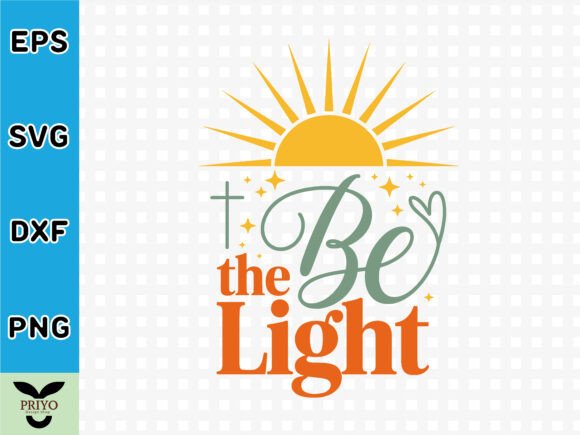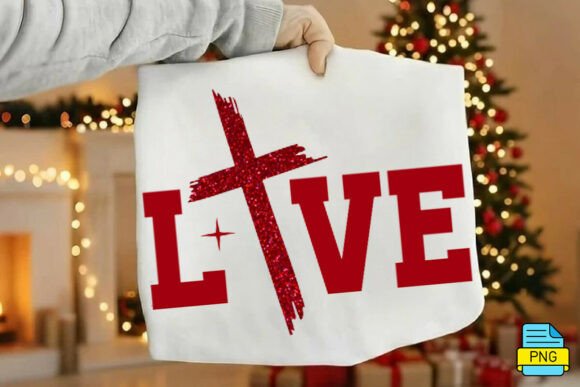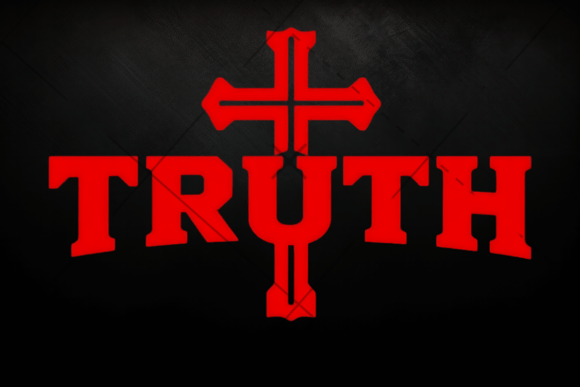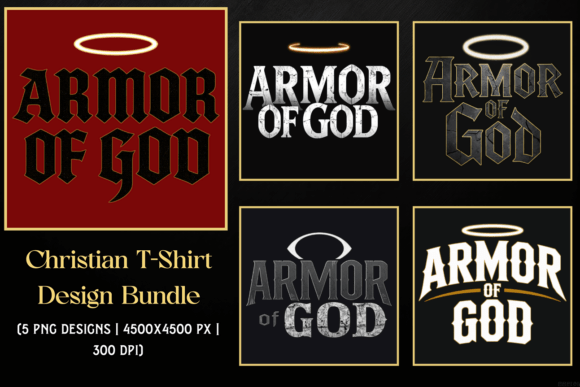
Christian Typography T-Shirt Design PNG
A Designer’s First Look: Clean, Reverent, and Ready for Stitching
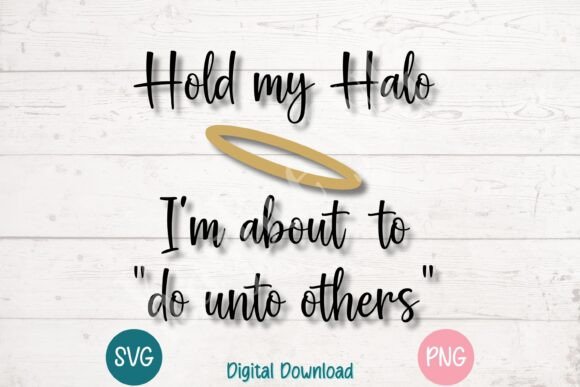
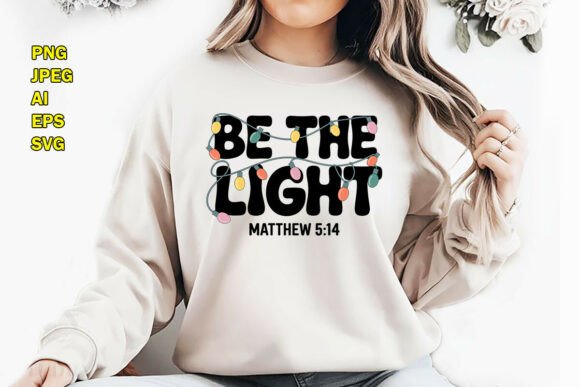
When I opened Christian-Typography-T-Shirt-Design PNG, my first thought wasn’t “pretty” — it was “purposeful.” This isn’t ornate script or cluttered iconography. It’s thoughtful typography: strong, legible letterforms with subtle weight variation and intentional spacing. The mood is calm but confident — devotional without being stiff, modern without losing warmth. It reads like something you’d embroider on a linen tea towel for a church bazaar or stitch onto a soft cotton baby onesie as a quiet blessing. It doesn’t shout; it settles in. That’s rare — and valuable — in a market flooded with overly busy or generic faith-based motifs.
Where It Shines: Real Projects, Real Fabric, Real Customers
I tested Christian-Typography-T-Shirt-Design PNG across three real-world items: a medium-weight organic cotton tote bag, a midweight French terry sweatshirt, and a 100% cotton kitchen towel. On all three, the design held its clarity. The letterforms stayed crisp — no bleeding, no thread nesting — especially when paired with a lightweight cutaway stabilizer and high-quality polyester thread. As a machine embroidery design, it behaved predictably: minimal satin stitch borders, mostly clean fill stitch bodies, and no excessive underlay that would puff up on thin fabrics.
It works especially well for custom apparel where message matters more than flash — think boutique-branded staff tees for a Christian bookstore, personalized gifts for baptism or confirmation, or small-batch nursery decor. I also used it as an embroidered patch on a denim apron for a local coffee shop’s “Faith & Flavor” fundraiser — the typography scaled cleanly down to 3.5 inches wide and still read clearly from six feet away. For Etsy sellers, this is a quietly versatile digital embroidery file: it fits seamlessly into listings for holiday embroidery (think Easter or Christmas gift bundles), personalized baby embroidery, and even minimalist wedding guest favors.
Where to Proceed Thoughtfully
This design excels in clarity — but that strength also reveals its limits. On highly textured fabrics like bouclé knit or heavy corduroy, fine interior details (like tight counters in letters “e” or “a”) can soften or disappear. On stretchy fabric — say, a performance-blend t-shirt — I recommend testing with a tear-away + cutaway hybrid stabilizer and slightly reduced stitch density to avoid puckering. And while it handles dark fabric beautifully (especially in cream or heather gray thread), avoid ultra-thin fabrics like voile or rayon challis unless you’re using ultra-fine needle and low-density fill — the design’s solid letter shapes demand structural support.
Caps and curved surfaces require extra attention. The layout is horizontal and relatively wide, so centering it on a curved front panel means adjusting hoop placement and possibly trimming excess stabilizer behind the stitching area. Also, don’t push it smaller than 2.75 inches wide — the kerning tightens, and tiny serifs risk vanishing in the stitch. If you’re planning layered garments (like embroidery over a pocket or seam), confirm the design clears any underlying structure before hooping.
What It Adds to Your Finished Product — and Your Reputation
Using Christian-Typography-T-Shirt-Design PNG elevates perceived value without demanding premium pricing. Customers notice the restraint — the absence of glitter, cartoon angels, or clichéd crosses. That signals intentionality. For handmade product buyers, that translates to trust: they feel the item was chosen, not just stamped. For craft business owners, it supports brand consistency — whether you’re selling embroidered pillow covers at a local fair or building an Etsy shop around quiet, meaningful design assets. It also performs well in printable mockups: clean lines translate crisply to digital previews, helping buyers visualize the finished product before purchase.
Practical Notes Every Embroidery Designer Should Check
- Test first — Always run a sample on scrap fabric matching your final substrate, especially for baby embroidery or holiday embroidery where durability and softness matter.
- Review thread color contrast — This design relies on readability. Avoid near-matching thread and fabric tones (e.g., light gray on heather grey).
- Inspect stitch density — While balanced overall, dense areas (like thick letter stems) may benefit from slight density reduction on delicate fabrics.
- Confirm hoop size compatibility — Its width suggests a minimum 4" x 4" hoop; verify before digitizing for commercial embroidery setups.
- Check small details in black-and-white mockups — Simulate how it will look on both light and dark fabric backgrounds before listing.
- Use proper stabilizer — Lightweight cutaway for stable wovens; tear-away + topping for napped or textured surfaces.
- Verify licensing — Since this is a digital embroidery file intended for resale of finished products, confirm terms allow commercial use before adding to your craft business inventory or Etsy listings.
Final Thought: A Quiet Anchor in a Noisy Market
Christian-Typography-T-Shirt-Design PNG won’t win awards for flash — and it shouldn’t. Its strength is resonance. It belongs on the things people keep: a child’s first embroidered blanket, a teacher’s favorite apron, a pastor’s everyday tote. It’s the kind of design that makes customers pause, read, and remember — not because it shouts, but because it speaks clearly, calmly, and with care. For embroidery designers and creative entrepreneurs who value substance over spectacle, it’s not just another T-Shirt Designs asset. It’s a reliable, respectful, and quietly powerful tool — one I’ll reach for again when authenticity matters more than ornament.